Ep 5 — The Lost
Edit map for the cut. Reference frames in story order with the voiceover, sound design and post work stacked underneath, so the horror is built where it actually gets built — in the timeline.
Tonal arc
0:00 → 1:00The Search
11s · 7 cuts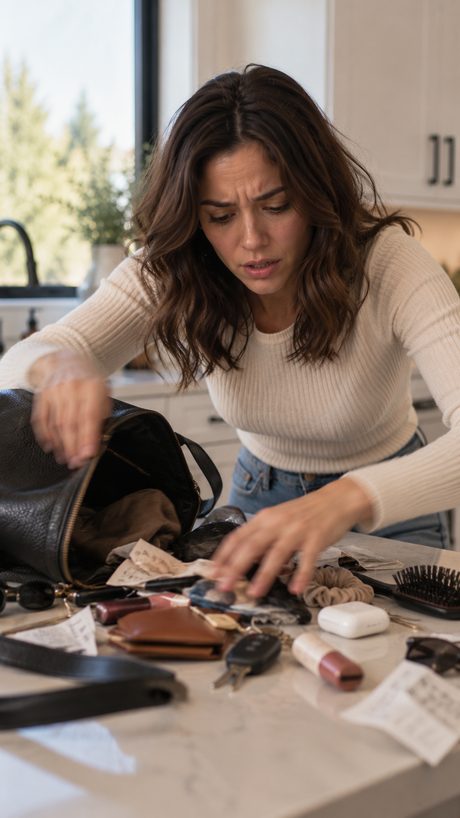
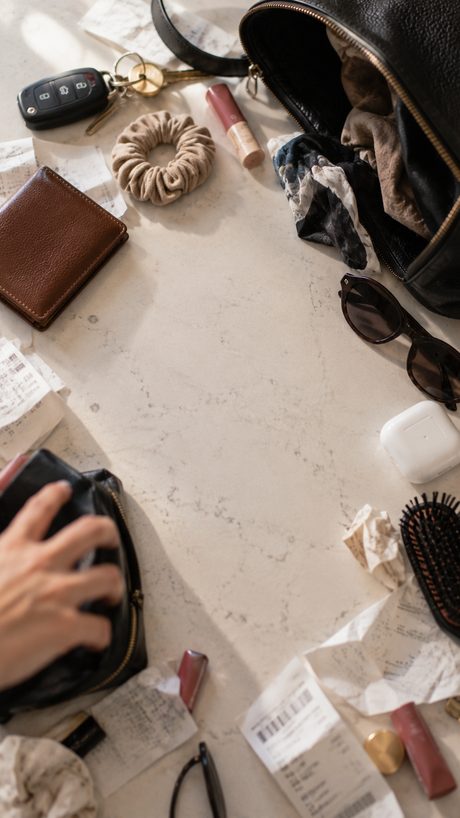
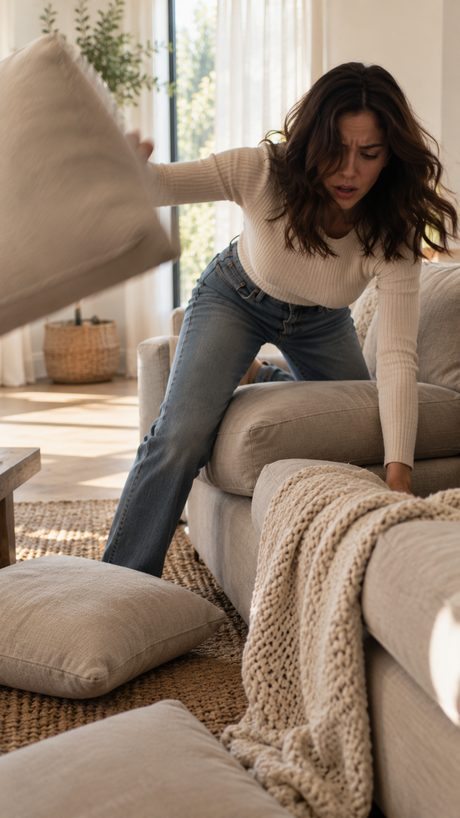
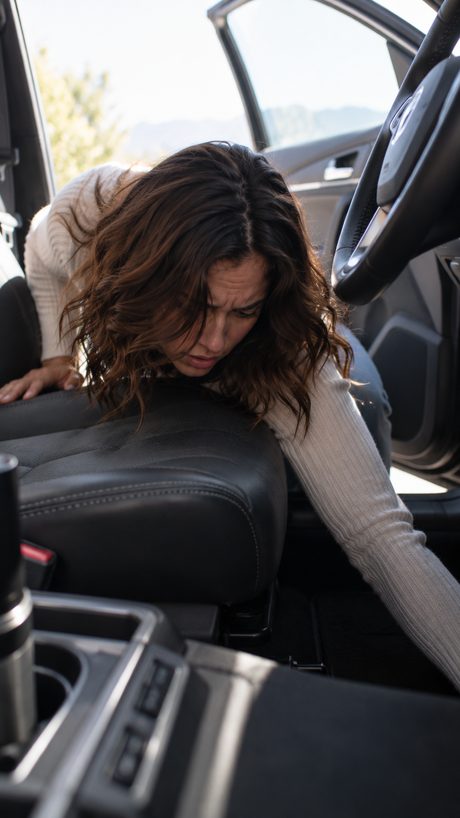
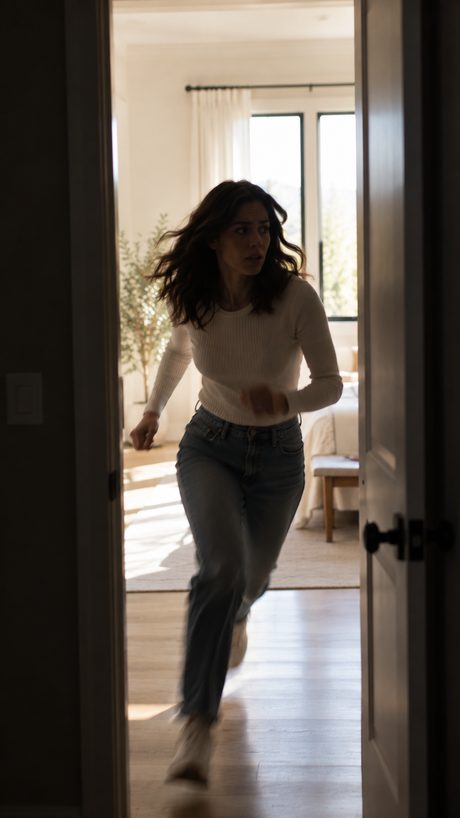
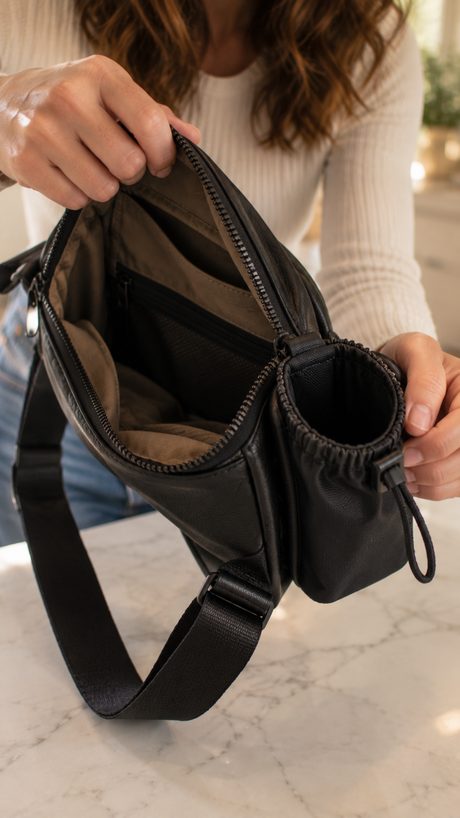
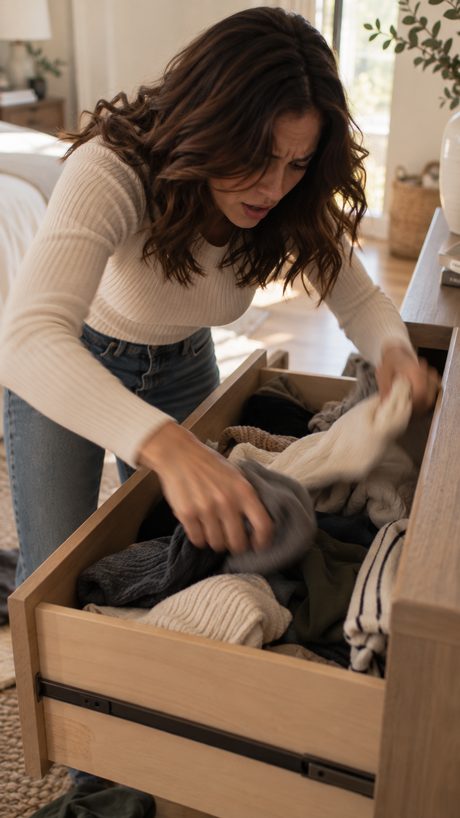
"Okay. I had it an hour ago. I know I had it an hour ago." Breathless, slightly overlapping itself.
A hard transient on every cut — zipper, cushion thud, drawer slam, car door. Cut on the sound, not the picture.
Fast pulsing low strings with a 16th-note tick. Builds volume straight through the montage.
Straight cuts, no transitions. Two- to three-frame speed ramps into each hit. Add handheld shake if the plate is too clean.
Title Card
2sReverse-reverb swell into a bass drop. Everything from the search cuts out hard underneath it.
Stops dead on the card.
Glitch inTwo-frame flicker on entry, then hold steady. Hard cut off — never fade a title in this series. Card art comes from Trove's design team.
The Stop
2s · 1 shot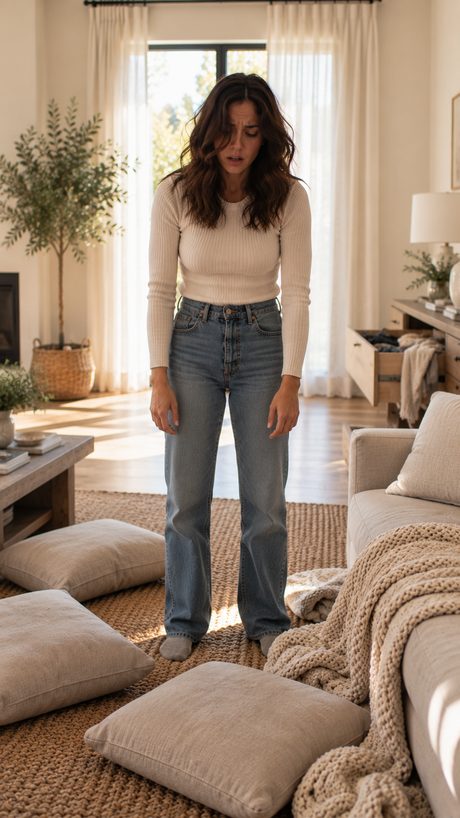
Everything cuts out. Room tone and her breathing only — the first silence in the episode, straight off the back of the title card.
None. The card killed it and it stays dead through the interview.
Locked off, no movement. This is the tonal hinge — the chaos is behind her and the deadpan starts here. Hold it a beat past comfortable.
Interview — Smug
7s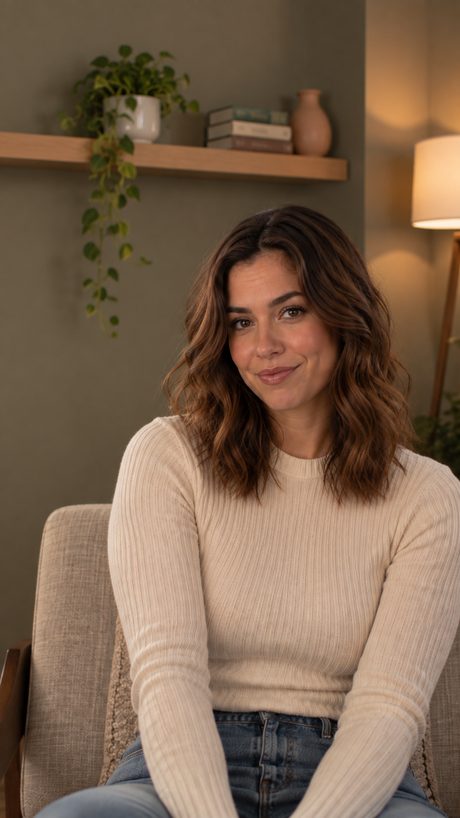
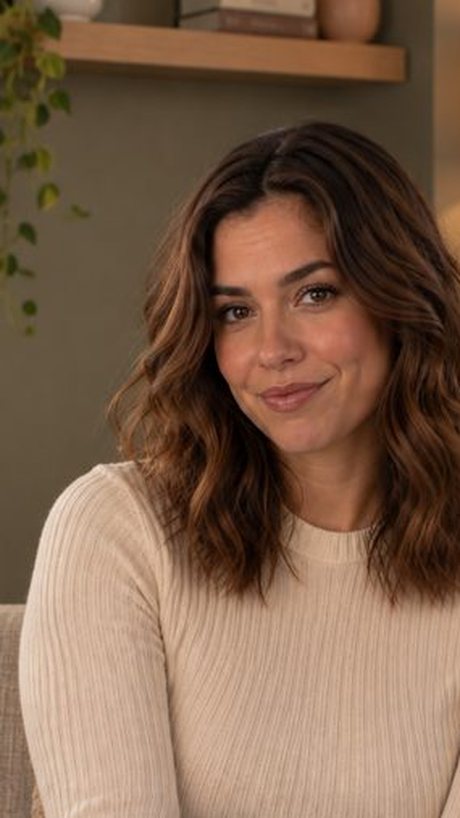
"I've never lost an Owala. Not one. And I own like six… well, now five."
Room tone only. A single chair creak if you have one.
None. The silence after the montage is what makes the line funny — resist scoring this.
Lower third: her name, then "Owala owner (allegedly)". Locked off, no push. This is the master interview frame — the next three match it exactly.
The Retrace
4s · 4 flashes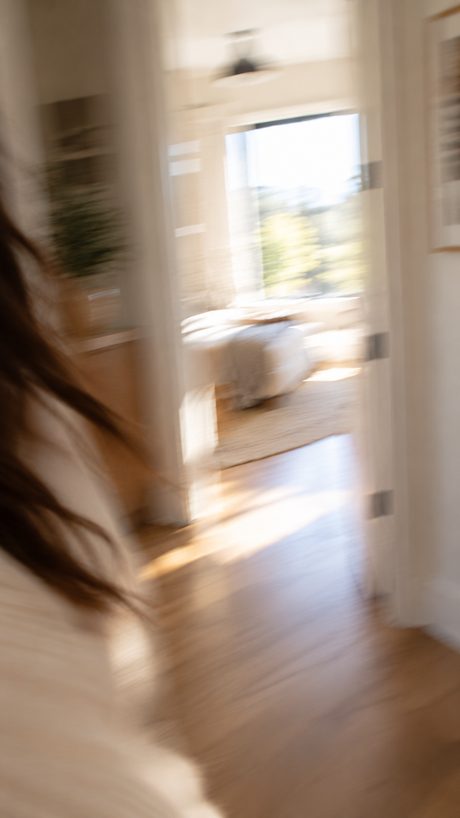
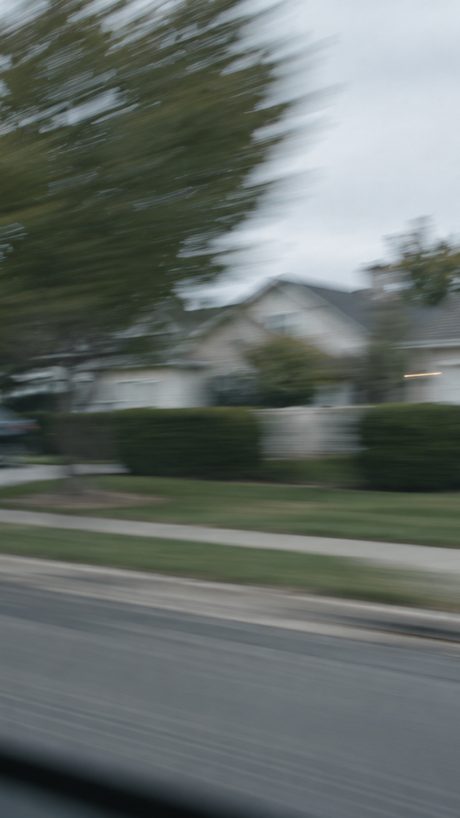
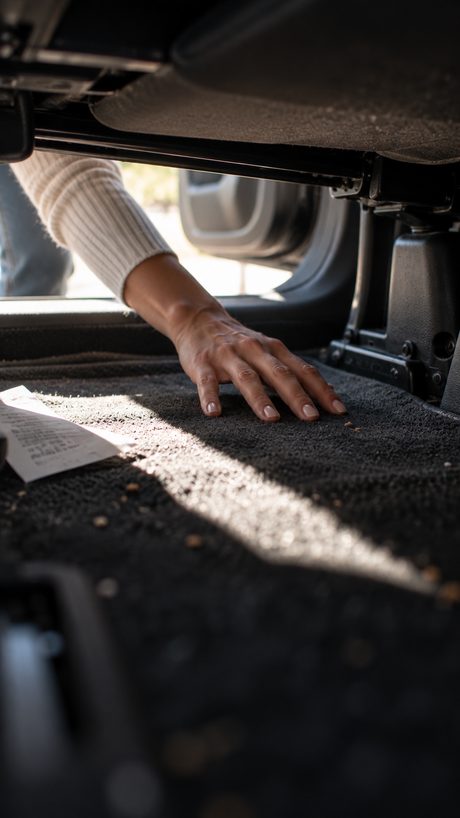
A whoosh on each cut. A clock tick starts underneath and keeps running into the flashback.
Tick-driven, rising. Nothing melodic yet.
Whip-pan transitions between the cuts. Pull saturation down slightly so the warm flashback lands harder next. Seed the benchEnd the retrace on a 6-frame glimpse of the bench (SH28). That is how memory retrieval actually cuts — the mind lands on the thing, then the full memory plays. It is the single cheapest way to tell the audience the next sequence is a flashback.
Park Flashback
8s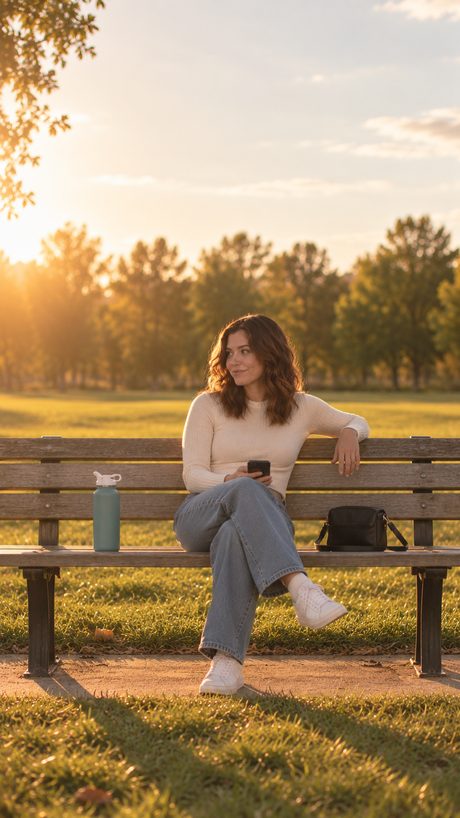
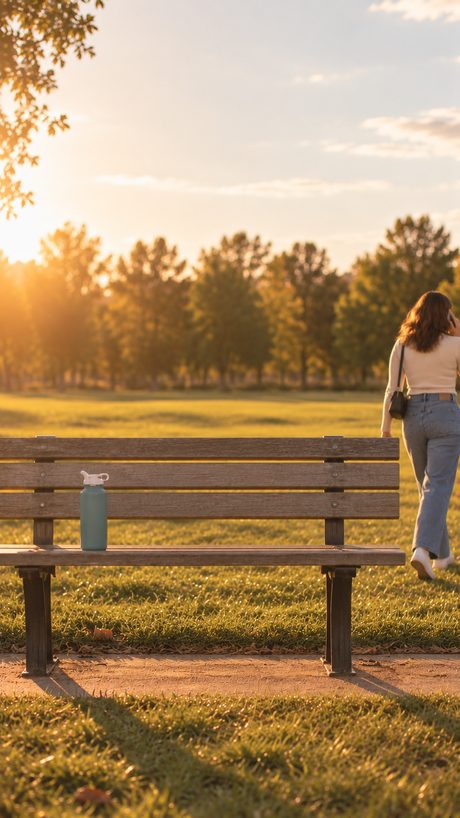
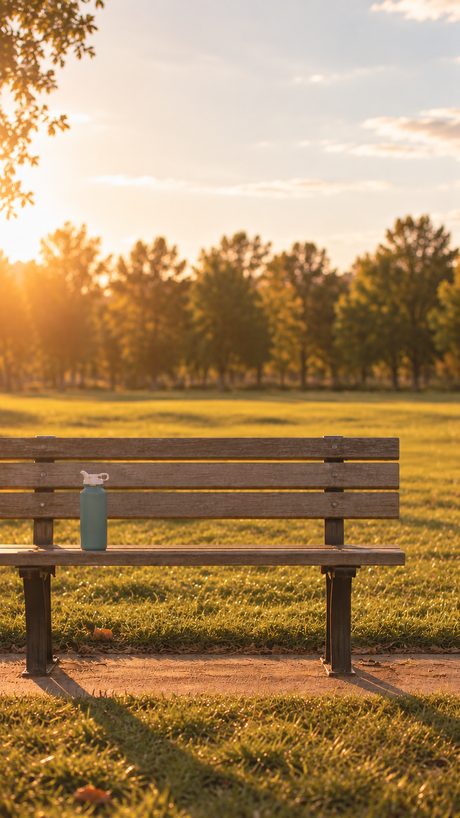
None. Let it play silent — this is the only calm in the piece.
Birds, distant kids, warm park ambience. Phone buzz. Footsteps walking away, fading out. Lowpass the whole bed and add light reverb — muffled audio reads as memory faster than any picture cue, and the present-tense sound should vanish completely.
Soft and pretty — music box or warm pad. Then it curdles on SH20: slow the pitch down and let it detune while the shot holds.
Sell the flashbackShe wears the same clothes as the present, so the usual wardrobe cue is gone — every other signal has to work harder. Shoot 60–120fps and play back at 60–75% (decide on the day, you cannot add it later). Dissolve in, hard cut out — the only dissolve in the episode, so it reads as grammar. Push the grade well past pretty: diffusion filter, flare, bloom, lifted blacks. SH20 holds three full seconds. All three are one locked-off camera position. Insurance: an EARLIER THAT DAY card for ~1s if the first cut leaves any doubt.
Interview — The Realization
5s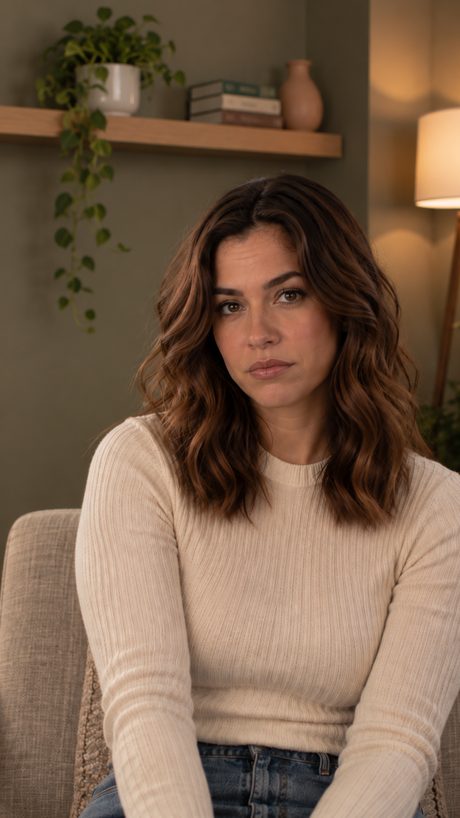
"That's when I realized I left it at the park." Then nothing — she just keeps looking at the lens.
Total dead air across the hold. Don't even run room tone underneath if you can get away with it.
None.
Very slow digital punch-in over the two-second hold — a few percent, almost imperceptible. The discomfort is the joke.
The Return
7s · 3 cuts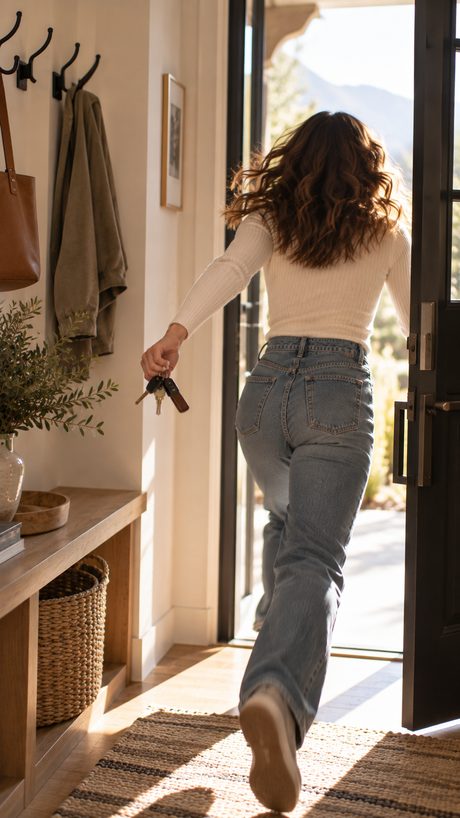
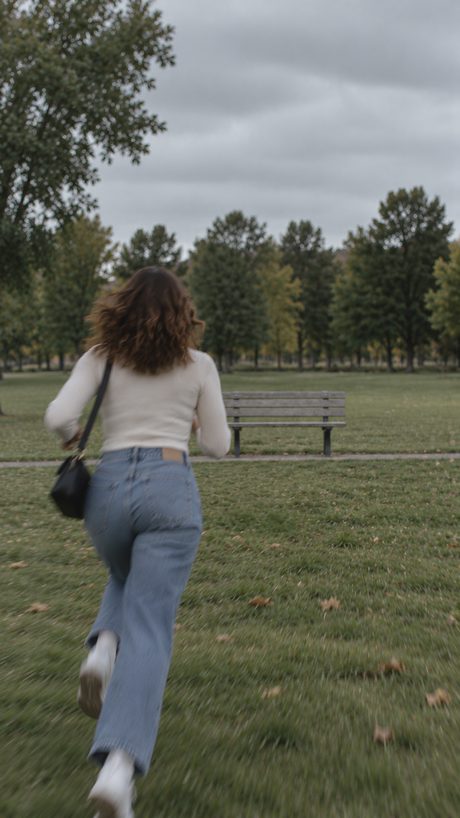
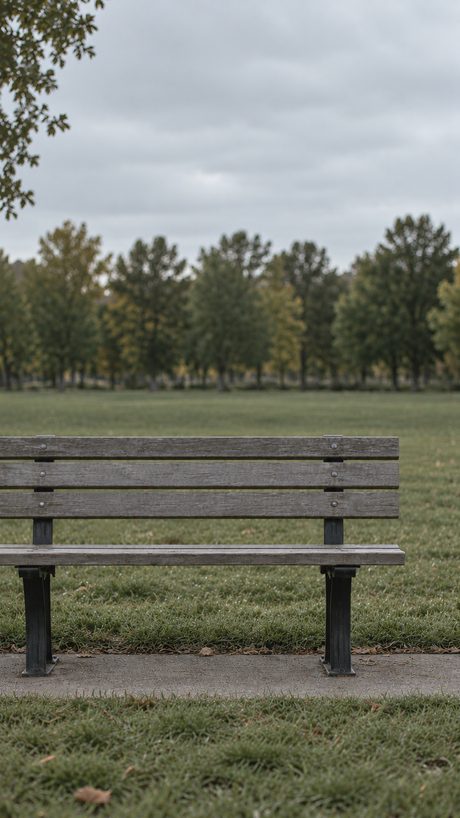
Breathing only. No words — she's past talking.
Keys, door slam, engine, footsteps hitting grass, heavy breathing mixed close and dry.
Urgent rising strings. Peak it right as she reaches the bench, then kill it.
Handheld, speed ramp into the run. Cool the grade — the warmth belonged to the memory and it's gone now. SH22 must be shot from the identical mark as SH20.
The Wide
3s · 1 shot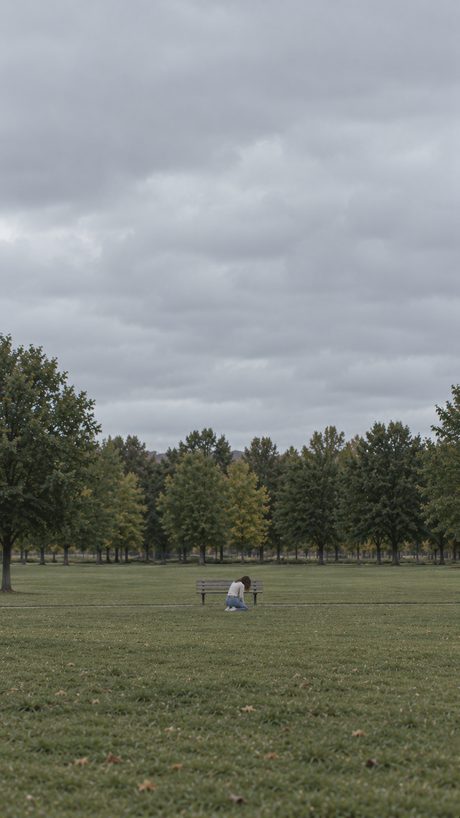
Everything drops out except wind. The biggest sonic hole in the episode.
One sustained low note underneath. Nothing moves.
Do not cutLocked off, full three seconds. Her being small in the frame is the entire joke — any push-in kills it. Needs a long lens and real distance on the day.
The Question
3s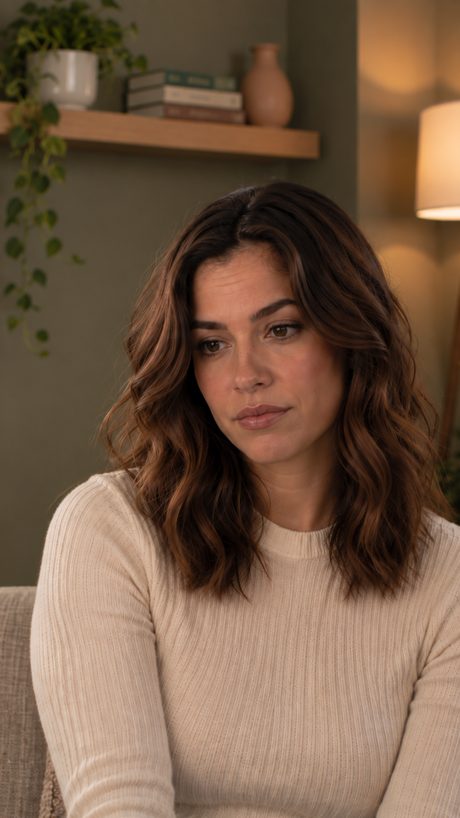
recorded off camera
"If you could tell your Owala one last thing right now, what would it be?" Gentle, sincere, played completely straight.
Room tone.
None.
Hard cut back to the interview from the park wide. The whiplash is intentional.
The Eulogy
10s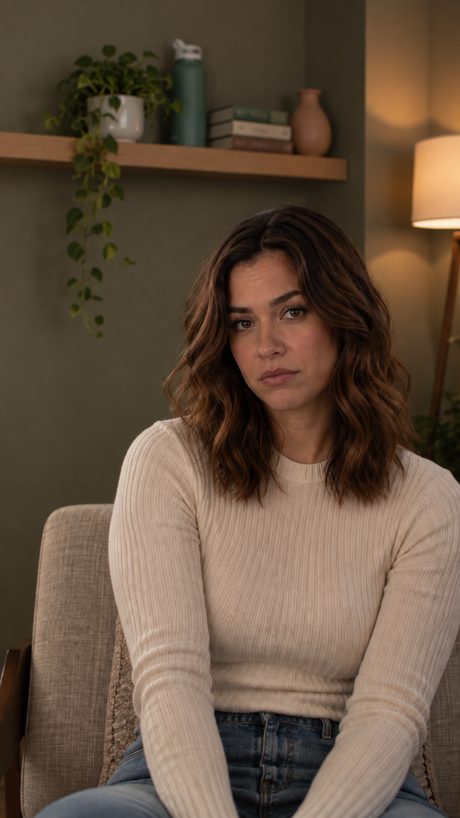
"The FreeSip understood me better than most people do. Straw one day, spout the next, with zero judgment. No one else in my life offers that."
Room tone. A single faint creak drifts in under the last few words — the swing, before you ever see it.
A thin eerie tone creeps in beneath the final line. Barely there.
HauntThe bottle sits on the shelf behind her the whole take and she never acknowledges it. On the day, tuck it further behind the pothos so it's half-obscured — glimpsed is creepier than presented.
The Swing
2s · the payoff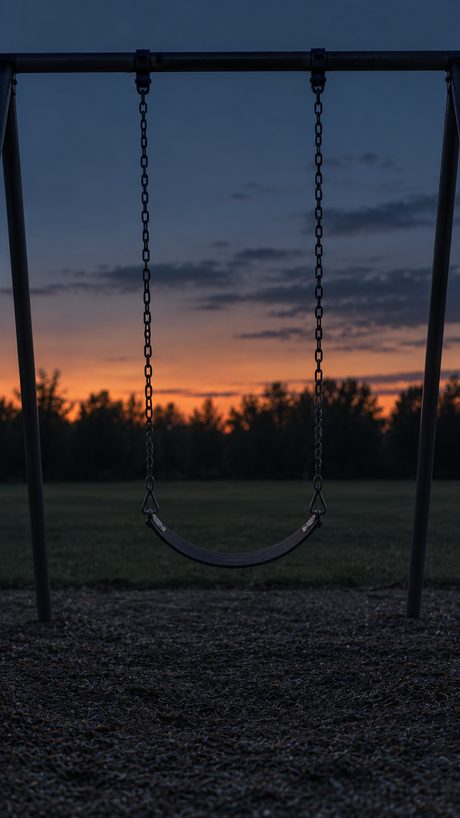
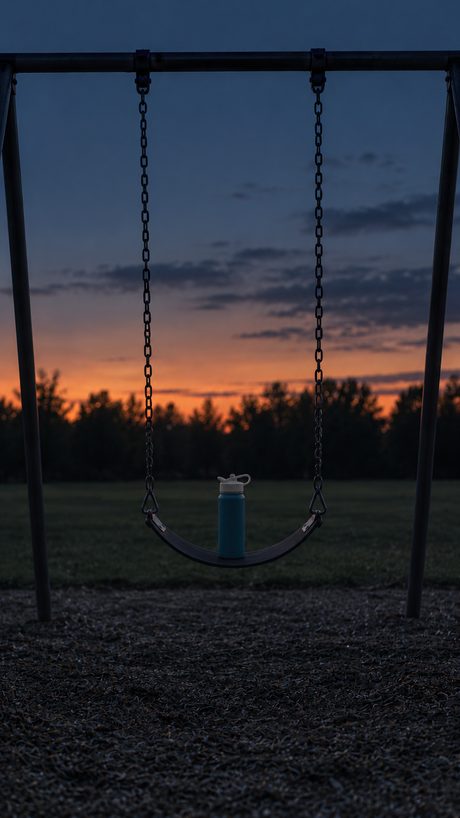
One creak. Loud, isolated, nothing underneath it. Record it wild on location — a library creak won't sit in the same space as your park ambience.
A single sting landing exactly on the flash frame.
The payoffCut three frames of SH26 into SH25, then straight back. Blink and you miss it. If you can see it clearly, it's too long — try two frames. Tripod, not a gimbal.
End Card
1sCut to silence on the card.
Hard cut to black. No fade, no outro, no logo bumper.
What actually makes it horror
None of this is in the shoot. It's six decisions in the timeline, and they're worth protecting when notes come back asking for more music or faster cuts.
Silence does the work
Every interview beat runs with no music at all. After twelve seconds of pounding montage, dead air feels wrong — and wrong is the tone. The instinct to score those moments is the instinct to resist.
Warmth makes the present cold
The flashback is the only graded-warm sequence in the piece. Everything after it is cooler by comparison without you doing anything, because the audience has something to compare it to.
Hold past comfortable
Three shots run longer than feels right: the bottle on the bench, the straight-faced interview hold, and the wide. Each one is roughly a second past where you'd normally cut. That extra second is the horror.
One sound carries the ending
The swing creak is the only sound in the last two seconds. Record it clean and isolated on the day, with nothing else running underneath it.
Restraint on the flash
The bottle on the swing is three frames. The temptation is to let it breathe so people see it. Don't — the viewer rewatching to check whether they saw it is the reason the piece gets watched twice.
The flashback has to be unmistakable
She is in the same clothes on the same day, so the audience gets no wardrobe cue. Four things carry it: the bench seeded in the retrace, slow motion, the one dissolve, and filtered audio. Use all four — any single one on its own is too subtle for a video people watch once.
Cut on sound, not picture
Through the search montage, place every cut on a transient rather than on movement. It's what makes a handheld scramble feel scored instead of shaky.
Frames are AI reference, not final photography · Peak Exposure Media · Scared Sipless, Episode 5 of 5